Buy Ammunition Online Without the Headache
Ammunition for sale is your direct ticket to range time, hunting success, or serious preparedness—no middlemen, no waiting. Each round combines a primer, propellant, and projectile that work together to deliver consistent velocity and impact exactly when you need it. Buying in bulk means you can practice more often, build muscle memory, and keep your firearm cycling flawlessly without burning through your wallet. Just match the caliber to your barrel, store it cool and dry, and you’re ready to send rounds downrange with total confidence.
What Types of Cartridges Are Actually Available Right Now?
Right now, the ammunition market is stacked with the usual suspects, so you’ll easily find **common calibers like 9mm, .45 ACP, .223 Remington, and .308 Winchester** on most shelves. For handgun shooters, 9mm is everywhere in target and defensive loads, while .40 S&W and .380 ACP are still solid options. Rifle-wise, 5.56 NATO is interchangeable with .223 for most modern guns, and 6.5 Creedmoor remains 7.62×51 Ammo for Sale a hot pick for long-range. You’ll also see plenty of hunting rounds like .30-06, .270, and 12-gauge shotgun shells in birdshot, buckshot, and slugs. Less common stuff—like .357 Magnum, .44 Magnum, and .22 LR—is still available, though sometimes in smaller batches.
If you’re flexible on brand or bullet weight, you can almost always find something that fits your firearm right now.
Just check the box for brass or steel case, and you’re good to go.
Understanding the Difference Between Rimfire and Centerfire Rounds
When browsing ammunition for sale, the first practical split you’ll encounter is between rimfire and centerfire rounds, and it dictates both cost and function. Rimfire cartridges, like .22 LR, have the priming compound inside the thin case rim, so the firing pin must strike that exact edge—making them cheaper but less reliable for reloading and prone to misfires if struck off-center. Centerfire rounds, such as 9mm or .30-06, seat the primer in a central pocket, allowing 5.56 Ammo for Sale stronger case walls, higher pressures, and reloadability, which is why most defensive and hunting ammo is centerfire. Understanding the difference between rimfire and centerfire rounds directly influences your purchase: rimfire suits plinking and small game, while centerfire covers self-defense and large game. Q: Which type is better for a beginner buying ammo? A: Rimfire is more affordable and has lower recoil, making it ideal for learning the basics, but centerfire offers better long-term value if you intend to reload or need stopping power.
Common Calibers You’ll See in Stock and What They’re Used For
Right now, the .17 HMR Ammo for Sale most common calibers on shelves are 9mm, 5.56 NATO, and 12-gauge, each serving a distinct role. The 9mm Luger dominates handgun stock because it balances manageable recoil with reliable stopping power for self-defense and range training. Meanwhile, 5.56 NATO is the go-to for AR-15 platform rifles, offering flat trajectories and light recoil, making it ideal for varmint hunting, competition, and home-defense carbines. 12-gauge shotgun shells remain versatile, handling everything from birdshot for upland game to buckshot for close-quarters defense. *You will also frequently spot .22 LR, perfect for inexpensive practice, and .308 Win, a proven choice for medium-to-large game hunting at distance.* These calibers persist in availability because they feed the most popular firearms in circulation, so **stocking up on these common calibers** ensures you can feed your primary weapons without hunting for niche rounds.
Shotgun Shells, Handgun Rounds, and Rifle Cartridges: Quick Breakdown
For a quick breakdown, shotgun shells use a plastic or brass hull packed with shot or a slug, ideal for close-range versatility. Handgun rounds, like 9mm or .45 ACP, offer compact stopping power for self-defense and concealed carry. Rifle cartridges, such as .223 or .30-06, deliver flat trajectories and long-range energy for hunting or precision shooting. When buying ammo, match the correct cartridge type to your firearm’s chamber—shells are gauge-specific, rounds are caliber-specific, and cartridges are load-specific. This distinction ensures reliable cycling and performance, so check the box label before checkout.
How Do You Pick the Right Ammo for Your Firearm Without Guessing?
To pick the right ammo without guessing, start by checking the caliber and cartridge designation stamped on your firearm’s barrel, then match it exactly to the ammunition for sale you’re considering; a .38 Special round will not safely fit a .357 Magnum chamber despite similar dimensions. Next, verify the bullet weight and pressure rating, such as +P loads, against your gun’s manual, as these affect recoil and reliability. When browsing right ammo for your firearm, inspect the packaging for lot numbers and avoid damaged boxes, then buy one small box first to test feeding and extraction before stocking up, ensuring your choice cycles flawlessly in your specific platform.

Matching the Exact Caliber Number on Your Barrel to the Box
When buying ammunition for sale, the most reliable method to avoid mismatch is matching the exact caliber number stamped on your barrel to the number printed on the box. The barrel’s marking—such as “.308 Win.” or “9mm Luger”—is the final authority over the gun’s chamber, not the manual or your memory. Compare every digit and letter directly against the box’s label, since minor variations (e.g., “.380 ACP” vs. “.380 Auto”) still indicate the same cartridge, but a single number shift (like “.357” vs “.38”) means incompatible pressure and diameter. If the box lists multiple names for one caliber, verify the primary numeric designation matches your barrel stamp before purchase.
Bullet Grain Weight and What It Changes in Recoil and Accuracy
When you’re scanning ammunition for sale, bullet grain weight is the quickest way to predict how a round will feel and fly. Lighter grains (like 115gr in 9mm) zip out faster, giving you a flatter trajectory but snappier recoil—great for quick target re-acquisition. Heavier grains (147gr) produce a softer, more push-like recoil impulse and often group tighter at longer distances because they resist wind drift better. For accuracy, match the grain to your barrel’s twist rate; most firearms have a sweet spot. Bullet grain weight directly tunes recoil perception and precision potential, so test a few box sizes before committing.
- Lower grain = higher velocity, sharper kick, flatter arc.
- Higher grain = slower, smoother push, better long-range stability.
- Mismatched grain can cause keyholing or inconsistent groups.
- Your manual’s twist rate is your best guide to ideal grain.
Full Metal Jacket vs. Hollow Point: Which One Fits Your Purpose
Choosing between Full Metal Jacket and Hollow Point ammunition hinges entirely specialty sports & supply on your intended task. For target practice and economical range sessions, FMJ vs hollow point for defensive use is the critical distinction, as the former’s hardened lead core penetrates cleanly without expanding, ensuring reliable feeding and minimal barrel fouling. Conversely, hollow points are engineered for self-defense, where controlled expansion upon impact maximizes stopping power while reducing over-penetration risks in home environments. Your purpose dictates the purchase: FMJ for cost-effective training and competition, hollow points for personal protection where terminal performance outweighs price per round.
What Should You Check Before You Hit “Add to Cart” on Bulk Ammo?

Before you hit “Add to Cart” on bulk ammo, verify the **cartridge matches your firearm’s stamped caliber**—a .223 Remington and 5.56 NATO are not always interchangeable in older barrels. Check the **projectile type** (FMJ, hollow point, or soft point) against your intended use, whether that’s range training or defensive carry; bulk packs often mix loads. Inspect the listed muzzle velocity and grain weight, as lighter bullets can shift your zero significantly at distance. Confirm the casing material—brass reloads cleanly, while steel case saves money but wears extractors faster. That “great” per-round price may exclude shipping and tax, which can erase your savings entirely. Finally, ensure the lot number and packaging date are visible, because old stock can suffer from powder degradation and dud primers.
How to Read a Box Label for Velocity, Pressure, and Reloading Status
Before you grab that box of bulk ammo, flip it over and read the fine print. The label lists **velocity in feet per second (fps)** —a higher number means a flatter trajectory, while lower fps feels softer. Pressure is shown as PSI or CUP; standard loads stay within SAAMI specs, so avoid anything marked “+P” or “+P+” unless your gun is rated for it. For reloading status, look for “new brass,” “once-fired,” or “remanufactured”—this tells you if the casing is virgin or ready for your next loading session. Don’t skip this step; it saves you from mismatched performance.
- Match fps to your barrel length—shorter barrels lose speed.
- Check for “low pressure” or “subsonic” if you suppress shots.
- Prefer “boxer-primed” cases for easy reloading.
New Production vs. Remanufactured Rounds: What’s the Trade-Off
Choosing between new production and remanufactured rounds comes down to predictability versus savings. Remanufactured ammunition offers a lower price by reusing once-fired brass, but that savings demands a trade-off in consistency. New rounds guarantee fresh primers, powder, and case integrity, while remanufactured lots can vary in velocity or headspace. For high-volume range practice, remanufactured is a budget-friendly option, but for zeroing optics or defensive loads, stick with new. Always inspect remanufactured brass for cracks or dents before loading.
- Check the remanufacturer’s process—are cases pressure-tested?
- Confirm a strict visual inspection step for case length and primer pockets.
- Weigh the cost per round against your need for precision.
New production removes all guesswork; remanufactured rewards you for accepting a little.
Packing Sizes That Save You Money: Loose Packs, Boxes, and Cases
When buying ammunition for sale, the packing size directly impacts your cost per round. Loose packs, often sold in bulk bags or buckets, typically offer the lowest price per cartridge because you skip expensive individual boxes. Standard boxes of 20 or 50 rounds are convenient for storage and range trips, but you pay a premium for that packaging. Cases, usually containing 500 to 1,000 rounds, provide the best per-round savings for high-volume shooters. Before adding to cart, calculate the price per round for each option; a case may cost more upfront, but bulk packing sizes reduce long-term expenses. Always confirm that loose ammunition is compatible with your storage setup to avoid damage.
Choose loose packs for maximum savings, boxes for convenience, or cases for the lowest cost per round when buying bulk ammo.
Where Do You Safely Store Your Purchased Rounds for Longevity?
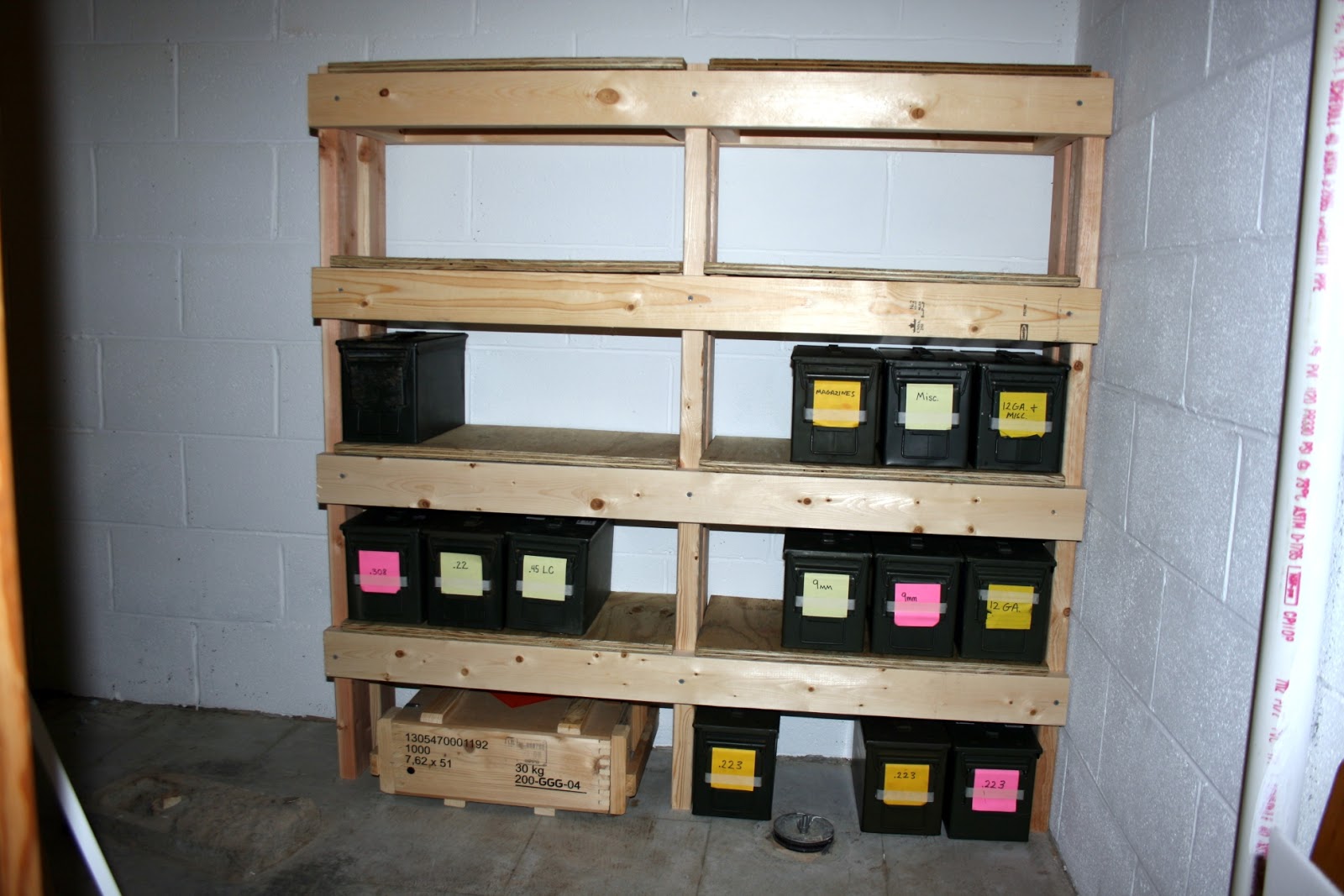
When you buy ammunition for sale, longevity starts with a cool, dry place—ideally a sealed ammo can with a silica gel pack to suck out humidity. Keep your purchased rounds off concrete floors, since moisture wicks up and can corrode brass and primers over time. A closet or safe shelf at stable room temperature beats a garage that swings hot and cold. Rotating your stash—using the oldest first—matters more than most people think, so your investment doesn’t sit past its prime. Inspect seals on factory boxes, but transfer loose rounds into labeled, airtight containers. Consistent temperature and low humidity are your best friends, and avoid storing near any solvents or oils that can seep into primers and kill ignition. Done right, your stored ammo stays reliable for decades.
Moisture, Heat, and Sunlight: Conditions That Ruin Primer and Powder
When you buy ammunition for sale, its shelf life depends entirely on shielding components from moisture, heat, and sunlight—the three silent .17 WSM Ammo for Sale destroyers. Moisture, heat, and sunlight conditions that ruin primer and powder begin with humidity seeping through case seals, corroding primers and caking propellant. Heat accelerates chemical breakdown, raising pressure unpredictably during firing. Direct sunlight degrades nitrocellulose powder through UV exposure, while also baking stored rounds in unsafe temperature spikes. Follow this protective sequence:
- Seal ammunition in airtight, waterproof containers with desiccant packs.
- Store in a cool, dark location—below 70°F and away from any window or attic.
- Monitor humidity levels monthly, replacing desiccant when saturated.
Never leave boxes on dashboards, garage shelves, or near radiators. Even one humid afternoon can compromise primer sensitivity, leading 7.62×39 Ammo for Sale to misfires or hangfires—a risk no shooter should accept when your purchased rounds depend on stable storage.
Using Ammo Cans, Desiccant Packs, and Rotation for Older Stock
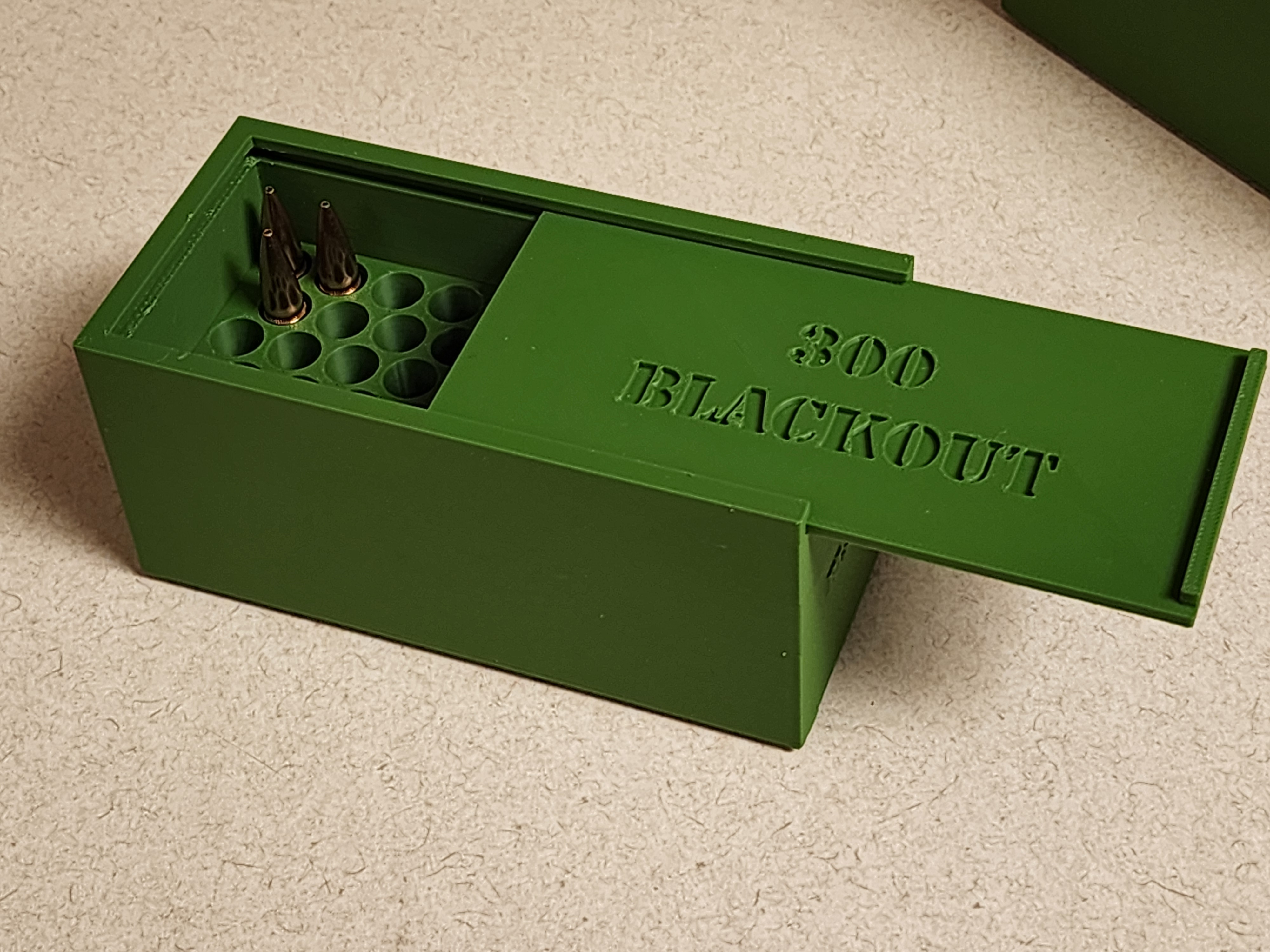
To keep older stock viable, transfer purchased rounds into sealed military-spec ammo cans with rubber 7mm PRC Ammo for Sale gaskets, which block humidity far better than original cardboard. Drop two reusable silica desiccant packs inside each can—one at the bottom, one under the lid—to absorb residual moisture before locking. Then, mark the can with the purchase date and adopt a strict rotation rule: shoot the oldest lot first during range trips, replacing it with newer ammunition for sale. This practice prevents corrosion, primer degradation, and misfires in aged cartridges, while ensuring your reserve stays fresh. Never skip desiccant regeneration—bake packs at 200°F for two hours every six months to maintain their drying power.
How to Spot Corrosion or Dented Casings Before You Load Them
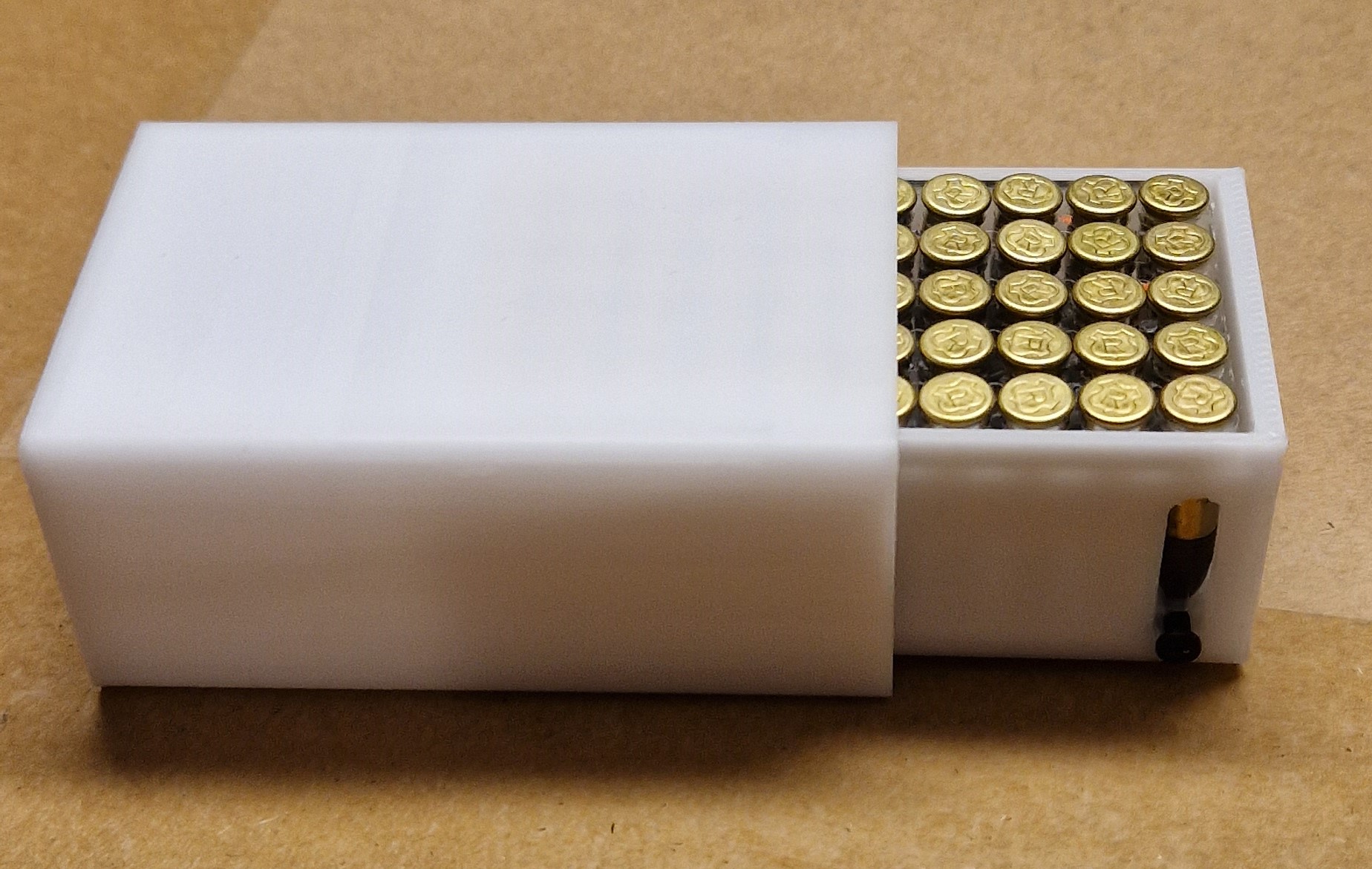
Before loading any purchased rounds, inspect each casing under 5.7x28mm Ammo for Sale direct light, rotating it to catch the subtle rainbow sheen or powdery green-blue residue that signals corrosion before loading. A dented casing often appears as a sharp crease or a soft dimple near the neck or shoulder—press gently; if it flexes, discard it. Check the primer pocket for rust rings and run a fingertip along the case mouth for burrs. Toss any round with a cracked or flaking lacquer seal, as that invites moisture. If a casing fails the visual and tactile test, do not chamber it.
Q: How do you spot hidden corrosion on a shiny brass casing? A: Tilt the case under a bright desk lamp—corroded spots turn a dull, blotchy orange or dark brown, unlike the uniform gold of healthy brass, and feel slightly tacky to the touch.
What Are the Common Mistakes First-Time Buyers Make With Their Purchase?
First-time buyers often grab the cheapest box of ammunition for sale without checking if it matches their firearm’s caliber, then wonder why rounds jam or fail to feed. Another big mistake is stocking up on one load type—like heavy grain hunting ammo—when their gun runs best on lighter target rounds, wasting money on inaccurate groups. People also skip inspecting brass for dents or corrosion, assuming new ammo is flawless, which causes misfires at the range. Finally, buying bulk without testing a small sample first leads to regret when your pistol hates flat-nosed bullets. Quick Q&A: “How do I avoid bad ammo purchases?” — Start by verifying the exact caliber, then buy two boxes of different brands and shoot them before committing to a case. Match your purchase to your specific firearm’s preferences, not just the price tag.
Overlooking Bullet Seating Depth and OAL for Semi-Automatics
First-time buyers often overlook bullet seating depth and overall cartridge length (OAL) when selecting ammunition for semi-automatics, focusing only on bullet weight or price. This is a critical error because semi-automatic platforms require precise OAL to feed reliably from the magazine into the chamber. If the seated bullet is too long, it may jam against the rifling, causing pressure spikes or failure to battery. Conversely, excessive bullet seating depth reduces case capacity, raising pressures unpredictably. Ammunition purchased off the shelf is generally set to SAAMI Ammo Cans & Storage for Sale specs, but bulk or remanufactured lots may vary. Optimal OAL for semi-automatics ensures proper function, avoiding stovepipes or double-feeds. Always check that the loaded round plunks cleanly in your specific barrel’s throat before relying on it.
- Verify OAL against your barrel’s chamber using a plunk test.
- Measure seating depth consistency across the box, not just the first round.
- Watch for crimp issues that shorten effective OAL during recoil.
Buying “Hot” Loads Without Checking Your Gun’s Pressure Rating
First-time buyers often grab “hot” loads—high-pressure ammunition—without verifying if their firearm’s receiver, barrel, or bolt can withstand the increased chamber pressure. This oversight is critical because a standard-pressure gun may suffer accelerated wear, case-head separation, or even catastrophic rupture on the first firing. The manufacturer’s pressure rating, usually stamped or listed in the manual, defines the maximum safe load, measured in PSI or CUP. Ignoring this limit and using +P or magnum-level rounds for a firearm built for standard loads is a gamble with the gun’s integrity. Overpressure ammunition compatibility must be confirmed before purchase, especially when buying surplus or unknown-brand boxes online, where labels may not clearly indicate the stress level.
Ignoring the Difference Between Target Rounds and Defensive Rounds
First-time buyers often grab the cheapest box labeled “ammunition for sale” without realizing that target rounds and defensive rounds serve completely different purposes. Target rounds, typically full metal jacket, are designed for range practice—they penetrate cleanly and cost less—but they lack the expansion needed to stop a threat effectively. Defensive rounds, like hollow points, are engineered to expand upon impact, reducing over-penetration and transferring maximum energy. Using target rounds for home defense risks inadequate stopping power, while using defensive rounds for practice burns money and accelerates barrel wear. Always match your ammunition to its intended job: practice with cheap ball ammo, but load your carry gun with proven defensive hollow points.
- Target rounds rarely expand, so they can over-penetrate walls and fail to neutralize a threat.
- Defensive rounds are priced higher but deliver reliable expansion and controlled penetration.
- Rotate your stock—shoot 7.62x54R Ammo for Sale target rounds at the range, but keep defensive rounds fresh and untouched for carry.
- Test a box of your chosen defensive rounds to confirm feeding reliability in your specific firearm.